Why Cats Aren’t Manipulative and What Their Behavior Really Means

Cats have long been our beloved companions, yet their behaviors are often misinterpreted as manipulative. Dive into the gentle truths behind common misconceptions about our feline friends, and discover how understanding their instincts can deepen the bond you share with them.
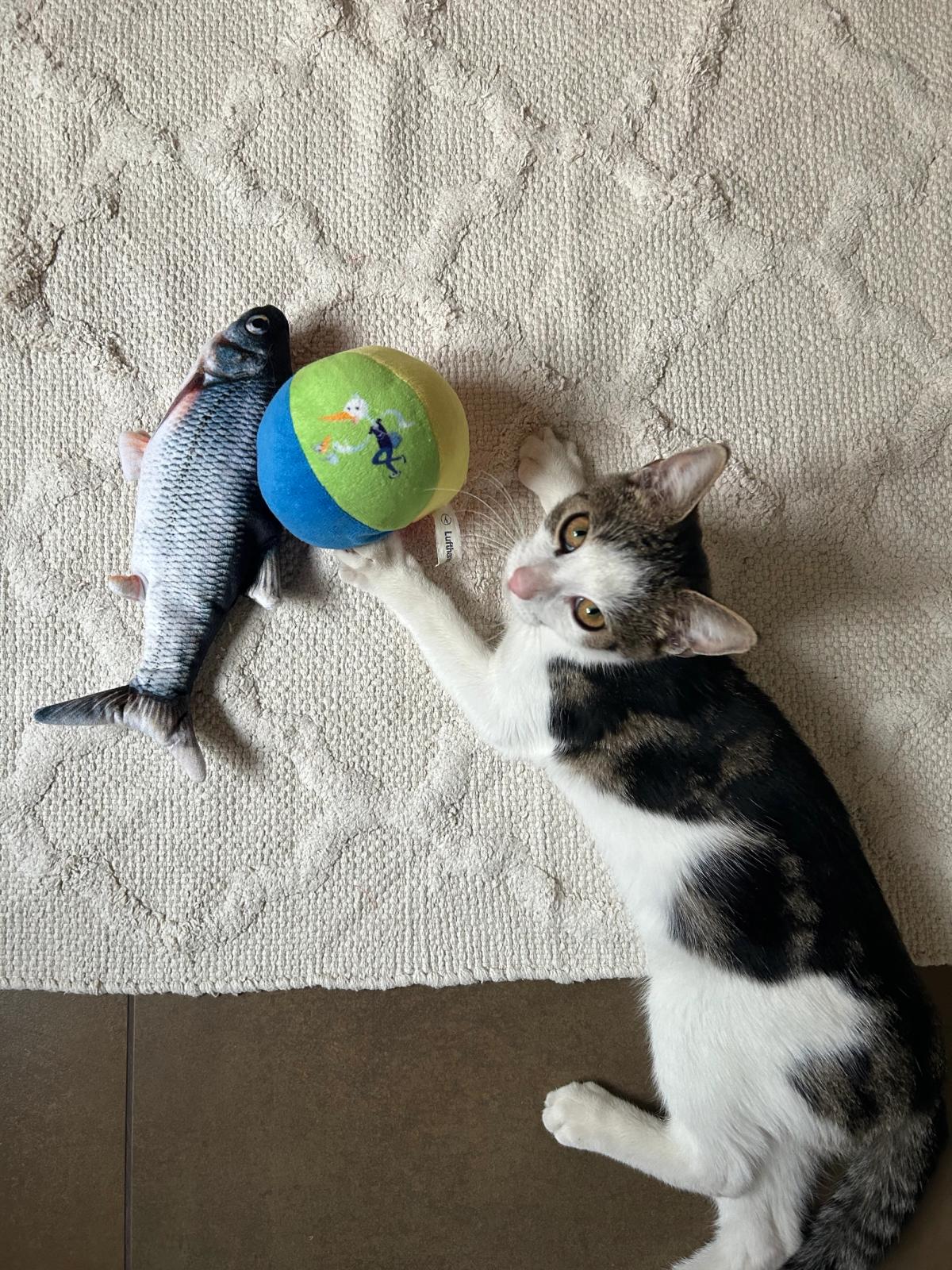
Cats have been our companions for thousands of years, yet they remain among the most misunderstood pets. Many people assume cats act out of spite, that they pee on the sofa to punish us, knock things off shelves because they’re upset or to upset us, or ignore us to get their way. But none of these behaviors come from manipulation or revenge.
The truth is much simpler and far more gentle: cats don’t have the mental framework for spite. Their behavior is driven by instinct, comfort, and communication — not emotional games.
Myth #1: “My cat peed on the couch because they were mad at me.”
This is one of the most common misconceptions. When a cat pees outside the litter box, they aren’t plotting revenge. They’re signaling that something is wrong.
Common reasons include:
- stress or anxiety
- a dirty or unsuitable litter box
- recent changes in the home
- medical issues such as UTIs or kidney problems
- insecurity that leads them to mark areas that smell strongly like their human
To a cat, the sofa isn’t your territory, it’s a comforting surface filled with familiar scent. They use it to self-soothe, not to punish.
Myth #2: “My cat knocks things down to annoy me.”
Cats knocking objects off tables seems deliberate, but it’s actually instinctual. They do this because:
- they explore the world with their paws
- small items trigger hunting instincts
- they’re bored and seeking stimulation
- they’ve noticed the behavior gets attention (not out of spite, simply because attention feels rewarding)
It’s curiosity, not calculated mischief.
How Cats Really Think
When we stop interpreting their behavior through a human emotional lens, cat psychology becomes much clearer.
Cats love routine.
Predictability helps them feel safe. Even small changes, a new schedule, a rearranged room can create stress.
Cats communicate quietly.
A twitching tail, a shifted sleeping spot, or a change in appetite can speak volumes. When subtle signals go unnoticed, cats express their needs through more dramatic behaviors.
Cats hide discomfort.
To survive as solitary hunters, cats evolved to mask pain. They often show illness or stress through behavior before physical symptoms.
Cats are driven by safety and comfort.
Everything they do, like scratching, scent-marking, seeking high places, is about creating stability and security.
How We Can Help Our Cats Thrive
Understanding your cat’s needs makes your home a much more peaceful place for both of you.
Provide a stable, enriched environment.
Give them hiding spots, vertical spaces, cozy beds, scratching posts, and places to retreat when they need quiet. Set up a secure balcony with cat netting so the cat can enjoy fresh air and direct sunlight and safely observe the world outside.
Stick to consistent routines.
Regular feeding, predictable playtimes, and steady household rhythms help them feel grounded.
Use positive reinforcement.
Reward good behavior. Cats don’t learn from punishment, it only increases fear and confusion. When we punish our cat, even by scolding them, we are only making us unpredictable in their eyes, which can worsen things.
Time-out does NOT work well for cats because: Cats don’t link delayed consequences to actions, and they often interpret it as confusion or rejection, not learning.
Watch for subtle stress signals.
Sudden hiding, loss of appetite, changes in grooming, or litter box issues are early warning signs which we need to discuss with an experienced veterinarian.
Play with them daily.
Short interactive play sessions scheduled at predictable times release stress, satisfy natural hunting instincts, and deepen your bond.
Keep their health in mind.
Any sudden behavior change should be treated as a possible medical issue. A vet visit often reveals the real cause.
Understanding Builds Connection
When we let go of the myth that cats act with spiteful intentions, we open the door to a much stronger relationship. Their behaviors aren’t manipulative, they’re meaningful. They’re attempts to communicate in the only way they can.
Cats aren’t mysterious troublemakers. They’re sensitive, instinct-driven animals who thrive when we learn to understand their language.