Why Clean, Well-Ventilated Homes Matter for Your Cat’s Health

Creating a clean and well-ventilated home is essential for your cat's health and happiness. Discover how indoor air quality and fresh air circulation can make a world of difference for your furry friend, and learn the importance of safety measures like window screens to keep them secure while enjoying a breath of fresh air.
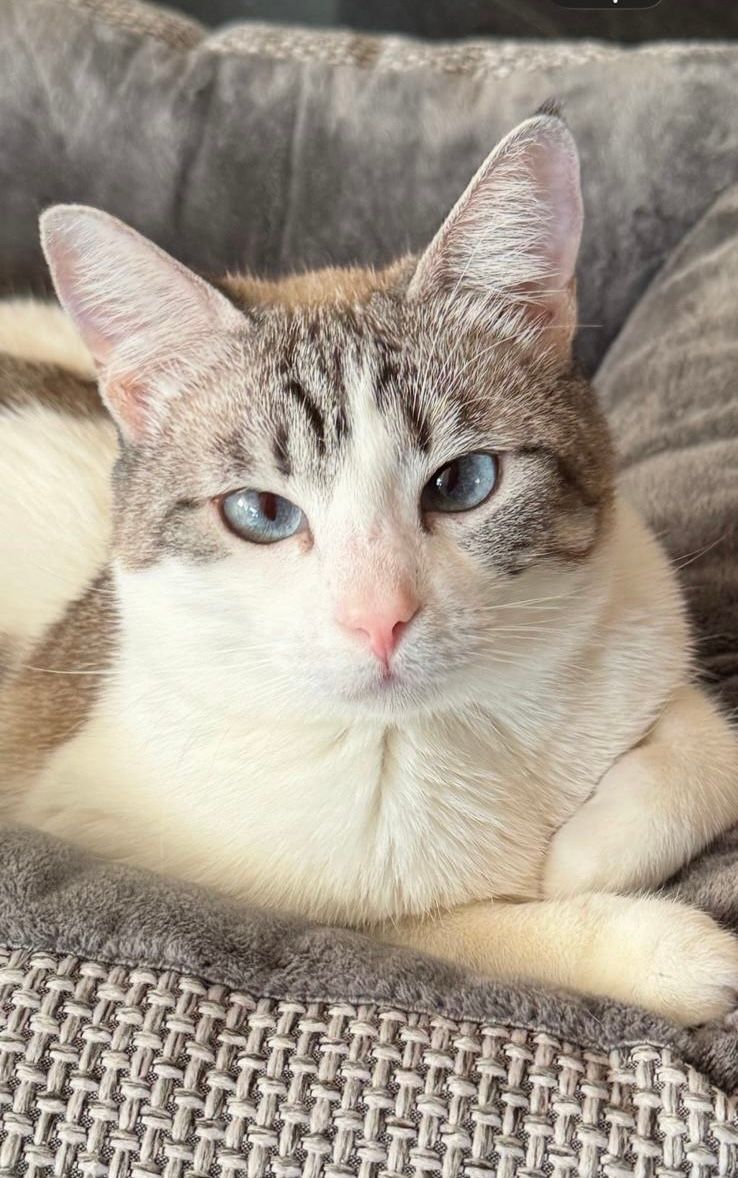
When people adopt a cat, they often focus on food, litter, toys, and veterinary care. But one important factor for a cat’s well-being is sometimes overlooked: the quality of the indoor environment.
Cats that live indoors spend nearly 100% of their time breathing the same air, resting on the same fabrics, and interacting with the same surfaces. Because of this, dust, allergens, and poor ventilation can significantly affect their health.
Creating a clean and well-ventilated home is one of the simplest ways to support your cat’s long-term well-being.
Why Indoor Air Quality Matters
Household dust is not just “dust.” It is a mix of many particles that can irritate sensitive cats:
- dust mites
- textile fibers from carpets and sofas
- human skin cells
- cleaning product residues
- mold spores
- pollen brought in from outside
In a closed environment, these particles can accumulate over time. For cats, this may contribute to:
- watery or irritated eyes
- sneezing or mild respiratory irritation
- skin itching or excessive grooming
- general discomfort
Good ventilation and regular cleaning help reduce the concentration of these irritants.
The Importance of Fresh Air
Fresh air circulation is essential for both humans and animals.
Try to air out your home at least once or twice a day. Opening windows for several minutes allows fresh air to replace stale indoor air and helps remove humidity and airborne particles.
However, when you live with a cat, open windows require safety precautions.
Why Window Screens Are Essential
Cats are curious and agile, but accidents can still happen. A bird outside, a sudden noise, or a playful jump can lead to dangerous falls.
For this reason, it is strongly recommended that at least two windows in your home are fitted with secure cat-safe screens or nets.
Window screens provide several benefits:
- allow safe ventilation
- prevent falls from height
- reduce stress for owners when airing the home
- keep insects out
With proper window protection, you can keep your home fresh and safe at the same time.
Simple Ways to Keep Your Cat’s Environment Healthy
A few daily habits can make a big difference:
1. Ventilate regularly
Open screened windows daily to refresh the air.
2. Reduce dust accumulation
Vacuum floors, sofas, and carpets frequently.
3. Wash fabrics
Cat beds, blankets, and cushions collect hair and dust. Washing them regularly helps reduce allergens.
4. Avoid strong chemicals
Use gentle, pet-safe cleaning products whenever possible.
5. Avoid perfumes and air fresheners at home
Compete with or disrupt the cat’s sensory perception of its environment.
6. Create safe observation spots
Cats love watching the outside world. A window perch behind a secure screen can become their favorite place.
The Impact of Odors and Respiratory Irritation
Cats have a highly sensitive sense of smell, far stronger than humans, which makes them particularly sensitive to strong scents and perfumes. Household cleaning products, scented sprays, air fresheners, and even heavily perfumed personal care products can cause stress or discomfort in cats, sometimes even leading them to avoid their litter box or other areas of the home. Such strong odors can indeed compete with or disrupt your cat’s sensory perception of its environment. Additionally, many of these artificial fragrances contain volatile chemicals that can irritate the respiratory system, potentially contributing to asthma or respiratory problems in both cats and humans.
For a healthy and stress-free environment, it is recommended to use unscented cleaning products and avoid strong perfumes around your cat.
A Healthy Home Means a Happier Cat
Adopting a cat means creating a safe and comfortable environment where they can thrive. Clean air, fresh ventilation, and simple safety measures like window screens can greatly improve your cat’s daily comfort.
A well-ventilated home is not only good for you—it is an essential part of responsible cat care.