Why Preventing Territorial Stress in Multi-Cat Homes Is Essential (Even When Everything “Seems Fine”)

Creating a harmonious multi-cat home goes beyond just ensuring they get along. Discover how to recognize the hidden signs of territorial stress and learn simple adjustments that can transform your cats' environment into a safe haven, fostering their well-being and happiness.
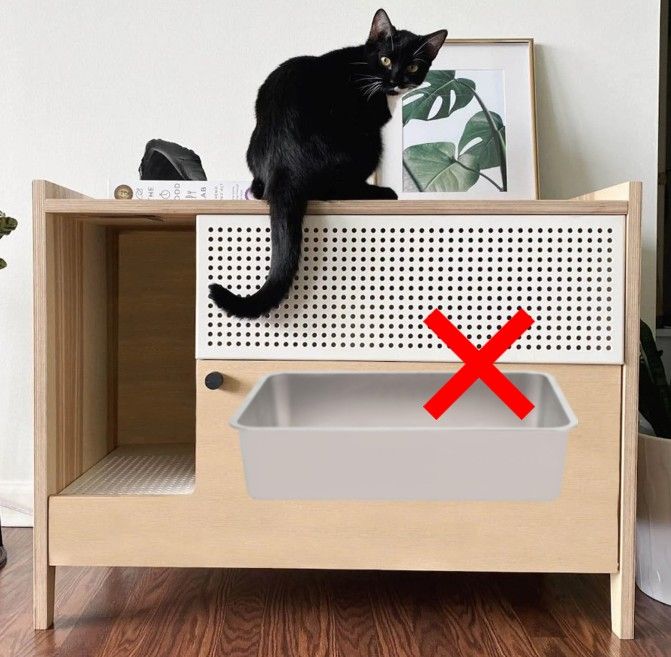
In multi-cat households, one of the most common assumptions is: “They get along, so everything is fine.”
But is it really?
According to leading organizations such as AAFP, Cats Protection, and WSAVA, the absence of visible conflict does not mean the absence of stress.
Cats are territorial, sensitive, and extremely skilled at hiding discomfort. By the time problems become visible, stress has often been present for a long time.
The Hidden Problem: Silent Stress
In many homes, I see setups that appear functional but can create chronic stress:
- Litter boxes hidden inside furniture, with limited escape routes, increasing the risk of ambush
- Feeding stations concentrated in one area
- Cats "forced" to share key resources too closely or in the same room
From a cat’s perspective, these environments can feel unsafe—even when everything looks calm to us.
Litter Boxes: Accessibility and Safety First
Litter boxes can be aligned, but only if:
- the cat has exit options from both sides
- the cat can look around while eliminating, without feeling trapped
Enclosed furniture, narrow entrances, or corner placements can increase vulnerability and stress.
Why Resource Distribution Matters
Each cat should have access to separate basecamps—safe areas for eating, resting, and toileting.
Even in peaceful households, this separation is essential.
Because the real question is:
How can we be sure a cat is not experiencing stress?
Cats are biologically wired to hide discomfort.
Feeding Together: An Unnatural Expectation
Unlike social hunters such as wolves or dogs, cats are solitary hunters.
In nature, a cat:
- hunts small prey
- does not share food
- does not eat in groups
Forcing cats to eat together is therefore unnatural and can create anxiety.
Providing separate feeding areas allows cats to:
- eat calmly
- reduce stress-driven fast eating
- lower the risk of vomiting linked to anxiety
How to Recognize Missing Resources
Many early signs of stress are subtle—and often ignored:
- A cat scratches carpets or sofas in a specific room
→ it may be lacking an appropriate scratching option in that location
→ or avoiding a shared scratching post that smells like another cat (scratching is also scent marking, which is a natural need and hence unrelated to being intact or neutered) - Eating fast or even gulping food
→ can indicate competition or anxiety - Spending most of the time in one room where other cats do not go
→ suggests the cat is creating its own safe zone due to social tension
These behaviors are often dismissed as “normal” or “quirky,” but they are important signals.
If ignored, they can escalate into more serious issues such as chronic stress or inappropriate urination outside the litter box.
Why Prevention Is Better Than Repair
Behavioral issues can be addressed, often successfully, using MEMO (Multimodal Environmental Modification).
This evidence-based approach includes:
- optimizing the environment based on feline needs
- improving resource distribution
- reducing social tension
- integrating medical and behavioral factors
However, intervention is always more complex than prevention.
Why wait until stress becomes visible?
Why assume everything is fine just because nothing obvious is happening?
Preventing stress is proactive, respectful, and essential for long-term wellbeing. Not just for your kitty, but also for you as their guardian.
Remember: what worked when they were kittens may no longer work once they’re grown—just like it happens with us humans, too.