Every Person Is a Different Miracle: Why Your Cat Doesn’t Love You in the Same Way She Loves Others

Every cat has its own unique way of expressing love, and understanding these differences can deepen our bond with them. Discover how your cat's personality, your interactions, and the environment shape the special relationships they form with each family member. Embrace the miracle of these connections and learn how to become your cat's favorite human!
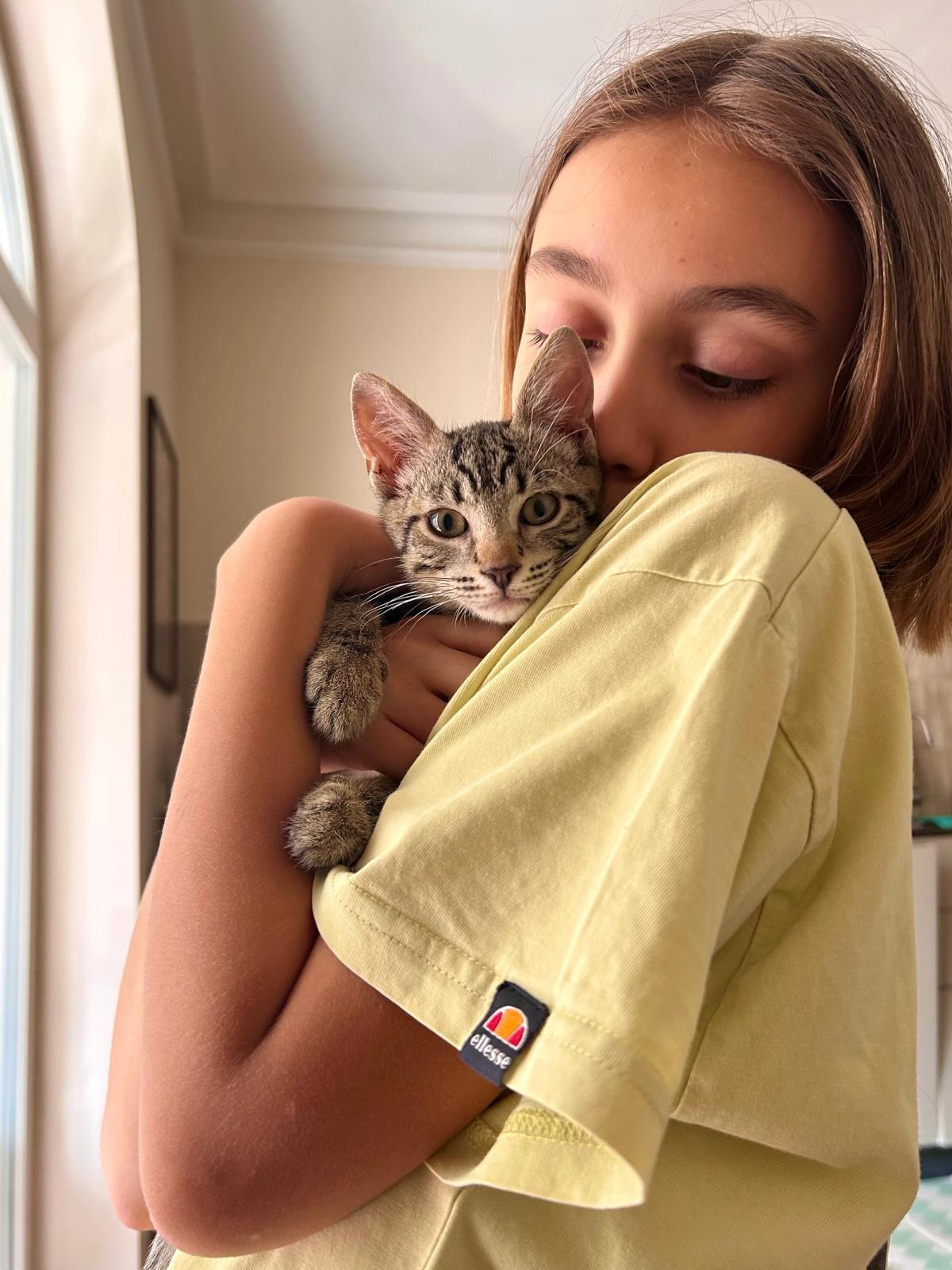
Traditionally, cats are seen as independent, sometimes calculating animals that prefer to be on their own. But my cats show me every day that they consciously choose their relationships and treat each of us differently. How can that be?
The difference lies in the attention we give them and the world they live in. Cats very intentionally decide whom they trust and whom they welcome into their social circle. My own cat, Smilla, shows this every day: she behaves a little differently with each family member and forms a unique bond with each of us.
Anyone who invests time in the first days and weeks after welcoming a cat into their home—time spent building trust—has a good chance of becoming an especially important person in that cat’s life. Cats respond to food, safety, and predictability. The one who feeds them regularly, provides calm and protection, and engages with them at their pace often becomes their chosen human.
Smilla makes it clear that she does not treat everyone the same: she cuddles more deeply with the person she feels safest with, plays most eagerly with the one who understands her needs, and is sometimes reserved with family members with whom she hasn’t built a strong bond. This is not randomness—it is her way of shaping relationships with intention and sensitivity.
Cats choose their favorite humans by combining circumstance (a familiar or unfamiliar environment), access to resources (food, safety, space), and personality—both theirs and yours.
For example, a calm, cautious cat often gravitates toward someone quiet who moves slowly and speaks softly, while a bold or highly playful cat may enjoy a more energetic person who interacts actively and offers lots of stimulation.
The Importance of Personality and Trust
Cats are drawn to people whose behavior they can understand. Much like humans form friendships based on personality and trust, cats tend to bond with people whose pace, voice, and way of interacting feel familiar and gentle to them. In many households, a cat’s “favorite person” is often the one who keeps a steady routine, makes time for quiet communication, and offers a reassuring sense of safety simply through their presence.
Cats Are Only Half-Domesticated
Unlike dogs, who have been deliberately domesticated for thousands of years, house cats have only lived closely alongside humans for about 5,000 to 10,000 years. They remain almost unchanged from their wildcat ancestors and have kept many instinctive behaviors. This explains why their social behavior varies so widely: cats choose selectively whom to trust, whom to approach, and whom to keep at a gentle distance.
Honor Your Cat’s Uniqueness
The strongest relationship between a cat and a human grows when we recognize and respect the cat’s individuality. Food, safety, play, and affection—tailored to the cat’s personality—nurture the bond and make it more likely that you will become your cat’s favorite person.
The different levels of affection
Cats do not treat all people the same. Every bond is unique and shaped by trust, safety, and mutual understanding. Smilla is a perfect example: she loves all of us, but in different ways, because she chooses intentionally how and with whom she shares her closeness. Cats are not indifferent beings—they are selective, perceptive, and deeply social in their own gentle, magical way.