Test the Personality of Your Cat: Understanding the Feline Five

Understanding your cat's personality can be a delightful journey that enhances their happiness and well-being. By exploring the Feline Five personality traits, you can discover tailored ways to care for your furry friend, ensuring they thrive in their environment. Dive in to uncover how these insights can not only enrich your cat's life but also improve adoption outcomes for those in need.
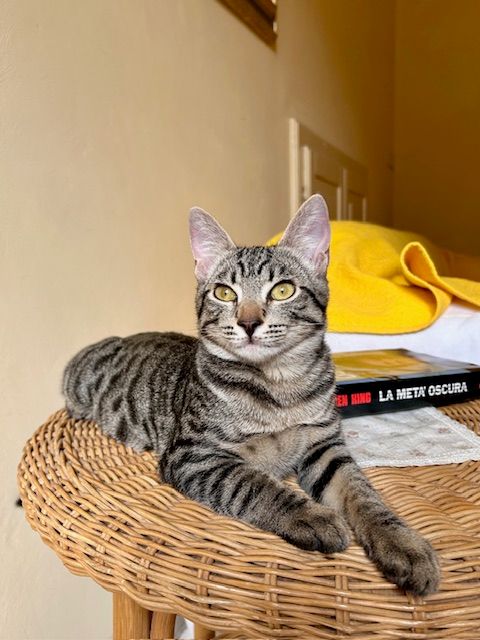
Understanding your cat’s personality isn’t just fun—it can make a huge difference to their well-being. Just like humans, cats have consistent individual behavioral traits, sometimes called temperament or behavioral syndromes. By assessing personality, owners can tailor care strategies to their cat’s individual needs, reducing stress, improving health, and increasing happiness.
In shelters, personality assessment can even improve adoption outcomes. For example, in Australia almost 53,000 cats entered RSPCA shelters in 2014–2015, with about a third eventually euthanized. In the US, an estimated 3.4 million cats enter shelters annually, with 41% euthanized. Personality assessments may increase compatibility between cat and owner, improving long-term welfare for both.
The Feline Five: Personality Factors
Researchers identify five key personality factors in pet cats, known as the Feline Five:
- Neuroticism – Insecure, anxious, fearful of people, shy.
- Dominance – Bullying, dominant, aggressive toward other cats.
- Impulsiveness – Impulsive, erratic, reckless.
- Agreeableness – Affectionate, friendly, gentle.
- Extraversion – Active, curious, inquisitive, inventive.
How Each Personality Factor Affects Your Cat
- Neuroticism: High scores indicate stress and anxiety. Cats may benefit from extra hiding spots, quiet spaces, and careful monitoring of social interactions. Bold cats (low neuroticism) may roam further outside, increasing risk of injury.
- Extraversion: High scores need more environmental stimulation—extra playtime, toys, sensory enrichment. Low scores may indicate age-related or health issues requiring veterinary attention.
- Impulsiveness: High scores suggest the cat may be stressed by its environment. Owners may need advice from a behaviorist. Low scores indicate well-adjusted, routine-loving cats.
- Agreeableness: Friendly cats (high score) are usually happy and well-socialized, often helping other cats in the household. Low scores may indicate poor socialization, frustration, or underlying pain.
- Dominance: High scores may mean bullying of other cats, especially in multi-cat homes. Understanding dominance can help prevent stress, aggression, and injuries.
Awareness of the Feline Five allows owners to adjust the environment rather than blame the cat—an essential step in improving welfare.
Personality Assessment: Quick Test
Give your cat a score from 1 to 5 for each factor:
1. Neuroticism
1: Very Low
2: Low
3: Medium
4: High
5: Very High
2. Dominance
1: Very Low
2: Low
3: Medium
4: High
5: Very High
3. Impulsiveness
1: Very Low
2: Low
3: Medium
4: High
5: Very High
4. Agreeableness
1: Very Low
2: Low
3: Medium
4: High
5: Very High
5. Extraversion
1: Very Low
2: Low
3: Medium
4: High
5: Very High
Tip: Use your observations over a few weeks to score accurately. Note any environmental changes that might improve your cat’s well-being based on their personality traits.
Environmental Modification
Understanding personality works best when combined with environmental modification:
- Adjust litter boxes, feeding areas, and resting spots.
- Provide vertical space and hiding places.
- Offer multiple resources for multi-cat households.
- Respect social distance and individual preferences.
- Tailor play and enrichment to the cat’s level of activity and curiosity.
Small changes in the environment, based on personality, can reduce stress and improve overall welfare.
Why It Matters
By identifying your cat’s personality and adjusting the environment accordingly, you’re helping your cat thrive. You’re not only improving behavior but also strengthening your bond and ensuring a happier, healthier life for your feline companion.