Kitten Care Under 6 Months: Deworming, Vaccines & Spaying/Neutering

Welcoming a kitten into your home is a joyful adventure, but it also comes with essential responsibilities that every new cat parent should know. Discover the key steps for deworming, vaccinating, and spaying/neutering your furry friend under six months old, ensuring they grow up healthy and happy. With expert-backed guidelines, you'll feel empowered to give your kitten the best start in life!
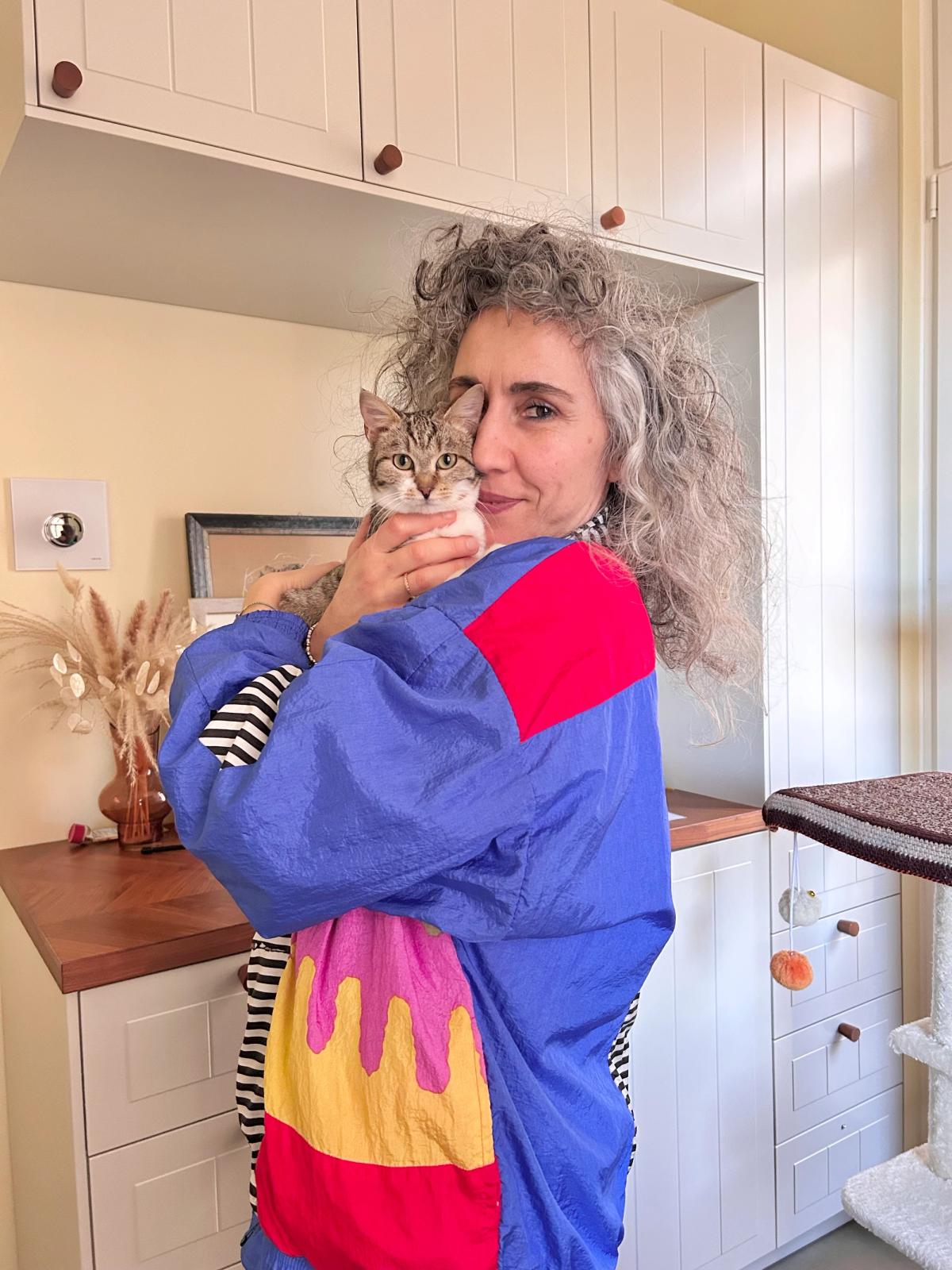
Bringing a young kitten into your home is exciting—but it also comes with important responsibilities. For first-time cat rescuers, figuring out when and how to deworm, vaccinate, and spay/neuter a kitten under six months can feel overwhelming.
This guide is based on the WSAVA (World Small Animal Veterinary Association) guidelines, an international organization of vets and feline experts that provides science-backed recommendations for pet health. Following these guidelines helps ensure your kitten stays healthy, reduces the risk of preventable diseases, and sets the foundation for a long, happy life.
In the sections below, we’ll cover:
- The right schedule and methods for deworming your kitten
- How to follow a safe and effective vaccination plan
- Why early spaying or neutering matters and how to plan it stress-free
Deworming Schedule (Fenbendazole / Canworm)
Core Principles:
- Dose: 0.05 mL per 100 g body weight, once daily for 3 consecutive days per round.
- Covers all worm life stages, including immature larvae.
Standard Rounds:
1st round: start at 6 weeks of age (start earlier, but use only pyrantel pamoate until 6 weeks of age!)
2nd round: 2 weeks after the first round
3rd round: 1 month after the second round
4th round: 1 month after the third round
5th round: 1 month after the fourth round
Stop after the 5th round, when the kitten reaches ~6 months old. After that, switch to a quarterly adult deworming schedule using a combined tablet of praziquantel and pyrantel pamoate.
How to Define Deworming Dates:
- Start the first round at 6 weeks of age.
- Follow intervals:
- Second round: 2 weeks after first
- Third to fifth rounds: 1 month apart each
- Each round lasts 3 consecutive days.
Measurement & Record-Keeping:
- Weigh kitten before each round using a digital scale (≥2 g precision).
- Calculate exact dose: 0.05 mL per 100 g.
- Record all dosing dates in a vaccination/deworming log.
- Set phone reminders for each dosing day.
Vaccination and Neutering Schedule (FVRCP & Rabies)
Vaccinations are generally recommended starting at 8 weeks of age, but if resources are limited and the foster parent can maintain strict biosecurity, it can be safe and even more cost-effective to wait until 12 weeks.
Biosecurity means taking steps to prevent the spread of germs between kittens—washing hands before handling each kitten, cleaning bedding and toys regularly, keeping new or sick kittens separated, and handling basic care at home when possible. This helps avoid infections—illnesses kittens can pick up in a shelter, multi-cat environment, or even at a veterinary clinic. By waiting until 12 weeks, the kitten’s immune system is more developed, so vaccines tend to produce a stronger, more reliable response, while still keeping kittens safe from infection and reducing unnecessary trips to the vet.
Core Principles:
- First FVRCP:
- Administer at 12 weeks of age (or 8, if you think it is safer).
- Products: Feligen CRP, Felocell, or Nobivac Tricat Trio.
- Purpose: Initial protection against Feline Panleukopenia, Calicivirus & Rhinotracheitis.
- Timing: Wait until ≥12 weeks to avoid interference from maternal antibodies.
- Second FVRCP + Anti-Rabies:
- Administer at 15 weeks of age (first shot+3 weeks).
- Use: FVRCP booster (if possible, ask for a different brand than the first shot to provide wider protection, as each manufacturer uses a particular virus strain) + Rabies vaccine.
- Purpose: Boost immunity and satisfy rabies regulations.
- Timing: Must be done by 16 weeks at the latest.
- Spay/Neuter Surgery (female or male neutering):
- Get your kitten neutered at 16 weeks of age, immediately after the second vaccination (keep a minimum of 1-week gap between vaccination and neutering), to take advantage of the immunity conferred by the last shot of the kitten series.
- Purpose: Prevent early heat, unwanted behaviors, and later reproductive/health issues.
- Clinics & Vet Contact (Bangalore):
- CUPA: +919108855888
- Savi Pet Hospital: WhatsApp Dr. Sachin directly
- I-Vet Pet Hospital: WhatsApp Dr. Sachin directly
- Surgeon: Dr. Sachin S. Amarannavar, experienced vet at all listed clinics - +918147683668. Dr. Sachin is a veterinary surgeon with 8 years of experience. He operated on more than 40000 animals. He is co-owner of Sparsha pet clinic and Savi pet hospital and visiting surgeon for other reputed trusts and private clinic.
- Highlight: Flank incisions heal faster and often eliminate the need for an Elizabethan cone, reducing stress for the kitten.
- “Safety” FVRCP Booster:
- Administer at 6+ months of age.
- Purpose: Ensure full protection for kittens whose initial response was suppressed by maternal antibodies.
- Flexibility: Can be delayed up to 12 months, but 6–7 months is ideal to avoid infection with disease.
How to Define Vaccination Dates:
- Step 1: Identify the kitten’s approximate birth date.
- Step 2: Add the appropriate weeks for each milestone:
- 12 weeks → 1st FVRCP
- 15 weeks → 2nd FVRCP + Rabies
- 16 weeks → Spay/Neuter
- 6 months → Safety booster! Ensure full protection for kittens whose initial vaccine response may have been suppressed by maternally‑derived antibodies (MDA). By around 6 months of age, kittens no longer have MDA, so this booster is the only shot that provides long‑term immunity. According to the WSAVA Vaccination Guidelines Group (VGG), studies suggest that MDA may persist in some kittens up to 20 weeks, which is why the final kitten vaccine is recommended at 16 weeks or older—to ensure the best possible immune response. A final booster at 6 months is also recommended to confirm that earlier doses were not neutralized by residual maternal antibodies.
General Notes for Rescuers
- Always verify birth date estimates; adjust vaccination and deworming schedule accordingly.
- Keep all documentation (dates, doses, vet visits) for each kitten.
- Ensure kitten is healthy before administering vaccines or deworming.
- Spay/neuter should be done by experienced vets such as Dr. Sachin in Bangalore, who works at Savi Pet Hospital and I-Vet Pet Hospital, or at CUPA.
- Keep cost-effective and safe anesthesia practices in mind; using Purrfect Love association options helps minimize risk and cost.