Not Just Cute: Why Your Cat Deserves Safety First
Cats are more than just adorable companions; they deserve a safe and loving environment to thrive. While the idea of letting them roam freely might seem appealing, the reality is that outdoor life poses serious risks that can shorten their lives. Join us as we explore the importance of keeping our feline friends safe and happy indoors, ensuring they enjoy long, fulfilling lives.
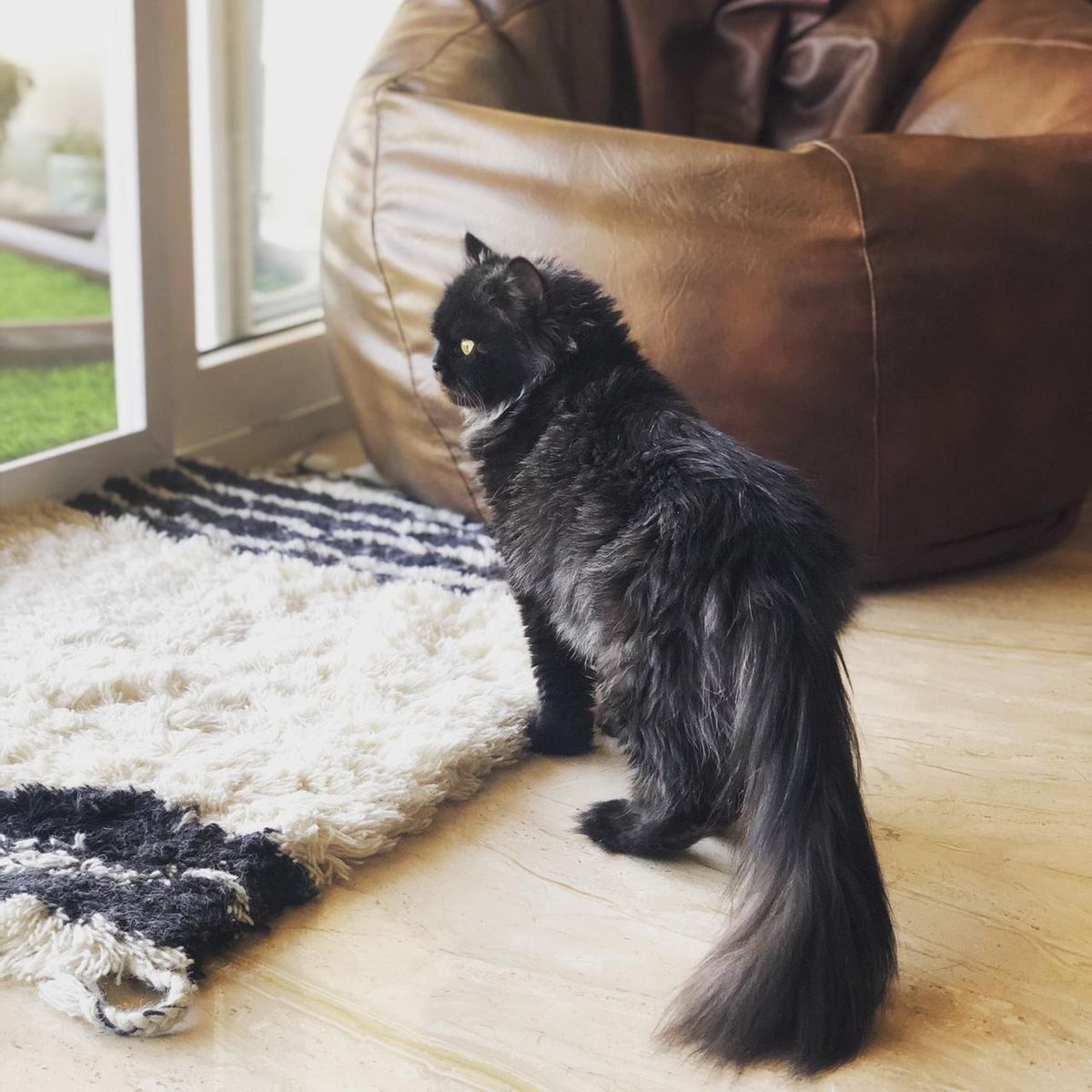
Imagine this: freedom that isn’t freedom at all.
Many people believe that cats can only be happy if they are allowed to roam freely. But reality tells a very different story: Cats who live outdoors without supervision face a dramatically higher risk of dying far too young. This is why we invite all cat guardians to pause for a moment and honestly consider what is truly in the best interest of their animals.
Indoor cats live longer — much longer.
Cats who live exclusively indoors, with proper enrichment and a safe environment, typically reach an average age of 12 to 20 years.
Cats who are left to fend for themselves outdoors, however, often die before the age of five. The biggest risk factor is traffic.
A large-scale online survey (Arhant et al., 2022, Journal of Veterinary Behavior) identified traffic accidents as the most lethal risk for free-roaming cats, with approximately 70% of cats involved in such incidents not surviving. This is consistent with a broader narrative review by Calver et al. (2026), which reviews existing literature and identifies road traffic accidents as a leading cause of traumatic mortality in owned cats, particularly in younger age groups, with a substantial proportion of animals dying at the scene before reaching veterinary care.
These numbers alone make it clear that “roaming free” is not a harmless adventure but a serious life-threatening risk.
Other dangers outdoors
If cats do not die from cars, many other threats await them outside:
Infections such as FeLV, FIV, FIP, rabies, toxoplasmosis; attacks by other animals; getting lost, stolen, or displaced; and even deliberate cruelty such as shooting, poisoning, traps, or burning. Many of these diseases are not easily testable or only show symptoms at a late stage, and some can be transmitted to other pets.
As animal welfare advocates, we have witnessed all these scenarios. They are real.
Generational Shifts in How We Care for Cats
Data from the study by Foreman-Worsley et al. (2021) shows a clear generational trend: older cat owners are more likely to allow their cats outdoor access, while younger generations increasingly adopt an indoor-only approach in line with current evidence on safety and animal welfare. This pattern can be partly explained by cultural factors: older owners grew up in periods when it was considered normal to let cats roam freely outdoors and have had less exposure to modern messaging around indoor safety. As a result, this reflects more a continuation of established habits rather than a consciously updated or evidence-based change in practice.
Are outdoor cats really happier?
People often think so, but it isn’t true. Cats are happiest when they are healthy, safe, well cared for, and mentally stimulated. All of this is possible indoors, without exposing them to deadly risks.
Why leash walks are often not a good idea
Cats — unlike dogs — are only semi-domesticated. Dogs have been selectively domesticated over tens of thousands of years. Cats, however, remain genetically very close to wildcats, and their instincts can be triggered easily. One single outdoor experience can activate hunting instincts, flight behavior, and the drive for “freedom.”
For extroverted or impulsive cats, this can quickly lead to constant attempts to go outside — and thus expose them to all the risks mentioned above. Leash walks can be the exact trigger that starts this cycle.
Meeting their needs indoors instead
We can fulfill their natural needs safely at home:
a cat-proofed balcony, a varied and enriching environment, climbing and scratching opportunities, and play that simulates hunting behavior. This way, cats get their “wildcat kick” without real danger.
Making choices that truly serve the cat’s well-being
Many habits come from a time when the world — or our hometown — was very different. Today, traffic is heavier, there are more dangers, more environmental toxins, and more people who do not want cats in their gardens and may harm them.
The question is not “Did we do it this way in the past?” but “What is the safest and best choice for our cat today?”
Animal welfare organizations, shelters, and experts worldwide agree: Cats belong safely indoors — or in secured outdoor areas such as catios.
True Love
Caring for a cat means making decisions that protect her, even when old habits suggest otherwise. By offering a safe indoor life, we give our cats what they really need: years of health, comfort, and happiness by our side.