Why Your Neutered Cat Pees Outside the Litter Box (And Why It’s Not Spite)

Is your neutered cat occasionally peeing outside the litter box? You're not alone, and it's likely not out of spite! Discover the natural reasons behind this behavior, from medical issues to environmental stressors, and find out how you can help your furry friend feel comfortable and secure again.
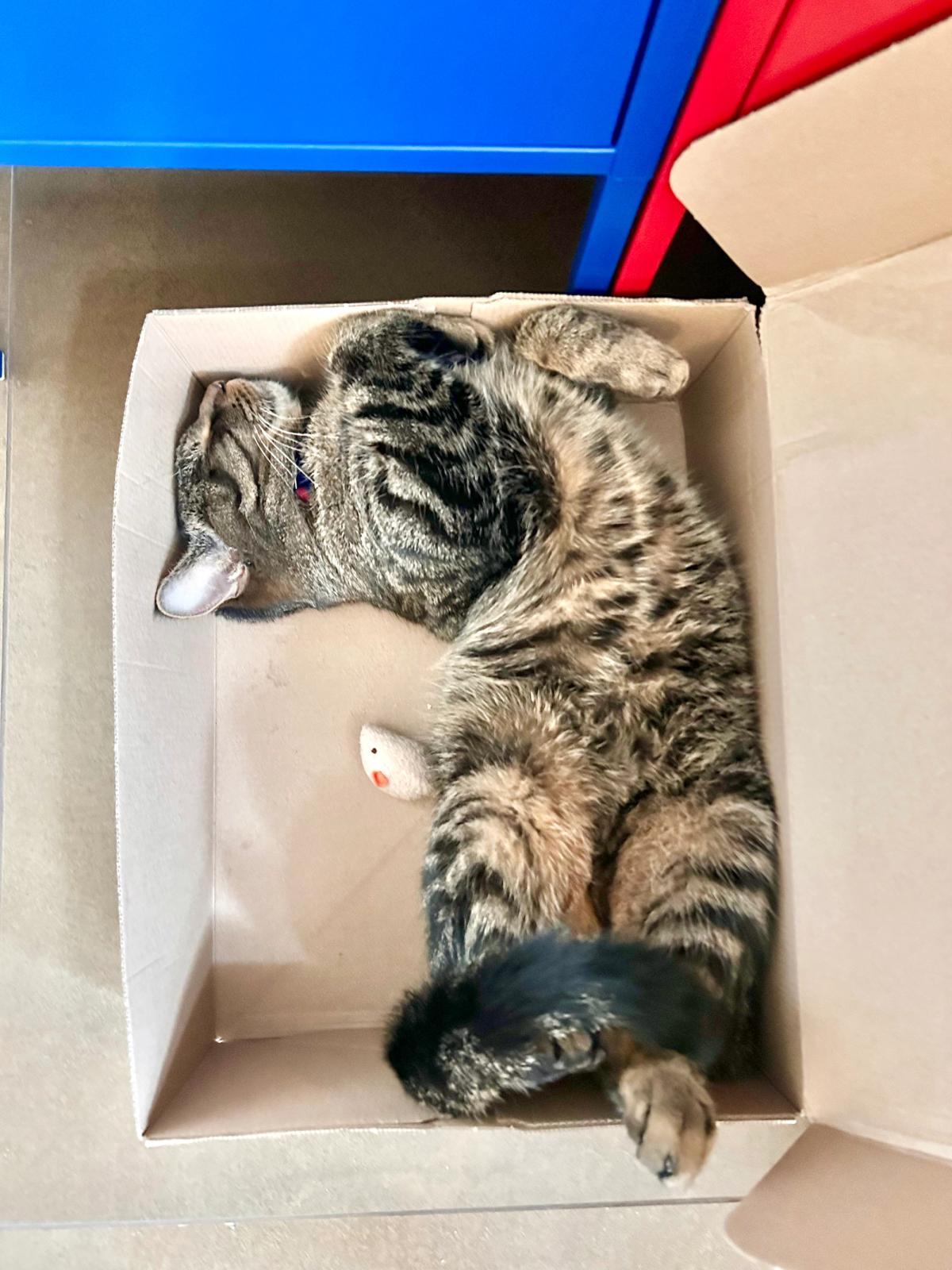
If your neutered cat occasionally pees outside the litter box, especially always in the same corner, you’re definitely not alone. Many people assume their cat is doing it out of spite or revenge—but the truth is far simpler and far more natural.
In this article, we’ll look at why this happens, how to tell the difference between marking and real urination, and most importantly, what you can do to fix the problem.
Common Reasons Cats Pee Outside the Litter Box
When a neutered cat urinates outside the litter box, there are usually three main causes.
#1 Medical Issues
Even cats that were neutered early can develop bladder or urinary tract problems. Common causes include:
- Feline Idiopathic Cystitis (FIC) - Non-bacterial, unknown cause, often linked to stress, painful and frequent urination, blood in the urine is common (stress makes the bladder wall fragile)
- Urinary tract infections - Caused by bacteria, bacteria present in urine, pain or burning during urination, usually treatable with antibiotics
- Bladder crystals or stones
Signs to watch for:
- Frequent or urgent urination
- Licking the genital area
- Crying or vocalizing while peeing
- Urinating on soft surfaces like beds or sofas
What to do:
A vet visit and urine test are essential. Always rule out medical causes first.
#2 Litter Box Problems
Even if your cat does use the litter box sometimes, they may avoid it if:
- The box isn’t clean enough
- The litter texture or smell is unpleasant
- The box is covered or too small
- The location is noisy or stressful
Most cats prefer:
- Open litter boxes
- Fine, unscented litter
- Quiet, private locations
Small changes here can make a big difference.
#3 Stress, Boredom, or Routine Changes
Stress or boredom can also trigger litter box issues—even when the box itself is fine.
Common stressors include:
- Moving house or furniture changes
- Visitors or new animals
- Noise, renovations, construction
- Lack of mental or physical stimulation
Practical tip:
A secured balcony or safe window spot where your cat can get fresh air and watch the world below has helped many cats reduce boredom and frustration.
Stress can also trigger mild bladder inflammation, which increases the urge to urinate outside the box.
Marking vs. Real Urination: Why the Difference Matters
These two behaviors look similar—but they have very different meanings and solutions.
Marking (Communication)
- Cat stands while peeing
- Very small amount of urine
- Usually on vertical surfaces (walls, doors, furniture)
- Tail often vibrates
Purpose:
Territorial communication or stress signaling.
Marking = “This is my territory.”
It’s a message, not a physical necessity.
Urinating Outside the Litter Box (Physical Response)
- Cat squats and empties the bladder
- Larger amount of urine
- On horizontal surfaces (floors, corners, carpets)
Purpose:
Physical relief, stress release, or response to bladder irritation.
This is not revenge or protest.
It’s the cat saying: “I feel unsafe, stressed, or uncomfortable.”
Why Cats Always Choose the Same Corner
If your cat keeps peeing in the same spot, it’s usually because:
- It feels safe and hidden
- There’s a scent association (old urine = familiarity)
- It’s easily accessible during moments of urgency
This behavior is not intentional misbehavior—your cat is simply choosing the place where they feel most secure.
Practical Solutions That Actually Work
✔ Put a Litter Box in the Chosen Spot
Place a litter box directly in the preferred corner.
After a few weeks, you can slowly move it to a better location.
✔ Clean Thoroughly
Only use enzymatic cleaners. Regular cleaners don’t remove scent signals—and cats can still smell them.
✔ Make the Corner Unappealing
Place a food bowl or sleeping area there.
Cats won’t pee where they eat or sleep.
✔ Improve the Litter Box Setup
- At least 2 litter boxes (rule: number of cats + 1)
- The litter box should be about 1.5 times the length of the cat
- Open boxes
- Fine, unscented litter
- Clean daily
✔ Reduce Stress and Boredom
- Daily playtime (10–15 minutes)
- Consistent routines
- Synthetic pheromones (e.g. Feliway)
- Safe balcony or window access for environmental enrichment
When to See the Vet
You should consult a vet if:
- The behavior lasts several weeks
- Your cat keeps peeing outside the box
- There’s frequent urination or excessive genital licking
A urinalysis and bladder check are strongly recommended.
Final Meows
When a cat urinates outside the litter box, it is never out of spite. Behind this behavior there is almost always physical discomfort or emotional distress. Cats are extraordinary creatures—but they are also masters at hiding pain, fear, and stress, often until they find another way to communicate.
Recognizing these signals and taking them seriously is an act of love and responsibility. And getting help from professionals experienced in feline behavior can make a real difference—not just for your cat’s well-being, but for a calmer, happier life together 🐾